About All Tech Electric
A call to All Tech Electric starts with questions about symptoms such as tripped breakers, flickering lights, or warm outlets. The information directs our technicians to bring the right meters and replacement parts. On arrival they locate the main panel, confirm the service rating, and begin tracing the affected branch circuit while noting any shared neutrals or multiwire branch circuits that could affect the diagnosis.
Questions about a job? Start on the All Tech Electric homepage or call (833) 989-3129.
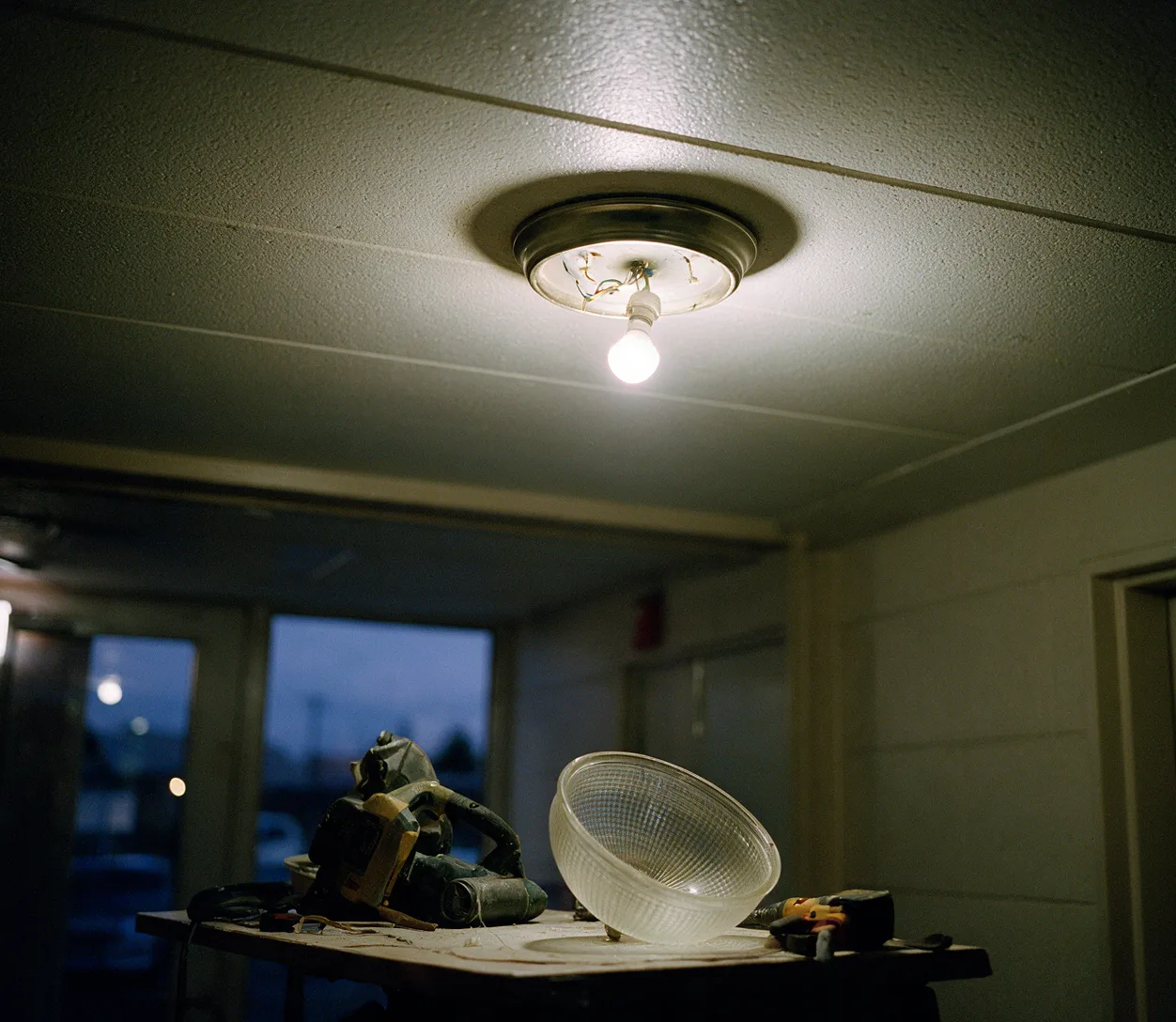
Circuit Tracing Method
Technicians follow each conductor from panel through junctions to the termination, recording voltage and resistance values to isolate the exact point of failure before any corrective action.
Load Calculation Review
Existing and proposed loads are tallied against conductor ampacity and breaker size to confirm the circuit remains within safe operating limits after the repair.
Ground Path Verification
Equipment grounding conductors are tested for continuity and low impedance back to the main bonding jumper so fault current has a reliable return path.
Site Condition Reset
All covers are replaced, debris is removed, and each tested device is operated to confirm the area is returned to its prior state with no exposed wiring.
Call Intake Process
The intake conversation records whether the issue affects one receptacle, an entire room, or the whole service. Details such as which breakers have tripped and whether GFCI devices are involved help narrow the starting point. Technicians also ask about recent appliance additions that might have increased the load beyond the circuit rating.
Once the description is complete the technician reviews the panel schedule if available and selects test equipment suited to measuring voltage drop along long runs. This preparation reduces repeated trips to the vehicle once work begins and keeps the focus on the reported symptom rather than unrelated circuits.
On-Site Diagnostic Steps
Technicians begin at the panel by verifying main lugs or breakers are seated correctly and that the neutral bar shows no signs of overheating. They then de-energize the suspected circuit, remove the device, and test continuity back to the panel while checking for shared neutrals that can produce 120-volt feedback between two phases.
Next they restore power and measure voltage at the load under normal draw, comparing the reading to the panel voltage to quantify any drop caused by undersized conductors or loose terminations. Grounding electrode connections are also checked with a low-impedance tester to confirm the equipment grounding conductor path remains intact.
Findings Communication
After measurements are recorded the technician shows the homeowner the meter readings that indicate the fault location, such as high resistance at a splice or an overloaded neutral. Each reading is tied to a specific code requirement so the homeowner understands why the condition needs correction rather than continued operation.
The explanation covers what will be replaced or rerouted, which breakers will be involved, and how the new work integrates with existing conductors. No repair proceeds until the homeowner confirms understanding of the load calculations and the corrective action required to restore proper circuit capacity.
Work Area Restoration
Once repairs are complete the technician rechecks every connection under load, verifies proper breaker operation, and tests downstream devices including GFCI protection where required. All removed devices and debris are accounted for before the panel cover is reinstalled.
Floor protection is removed, receptacles are aligned, and switch plates are tightened to prevent future loosening. The technician then demonstrates the restored function at the original problem location and notes any adjacent circuits that were de-energized during the work so the homeowner can confirm normal operation.