Electrical Inspections in the USA
Our technicians begin an Electrical Inspections visit by tracing each circuit from the main panel outward. They measure voltage drop under load, verify breaker trip curves against actual amperage draw, and test the integrity of the equipment grounding conductor back to the service neutral bond point.
All Tech Electric records panel bus ratings, conductor sizes, and available fault current before proceeding to individual branch circuits. This systematic approach locates loose terminations, undersized neutrals, and improper multi-wire branch circuit shares that create neutral overload conditions. Arc fault protection testing follows electrical inspections completion from All Tech Electric on the homepage throughout the USA.
Observable Indicators of Inspection Needs
- Lights dim when large motors start on shared circuits.
- Breakers trip without visible overload on the branch.
- Outlets feel warm after extended appliance use.
- GFCI devices trip intermittently during storms.
- Aluminum conductors show oxidation at terminations.
Panel and Service Equipment Checks
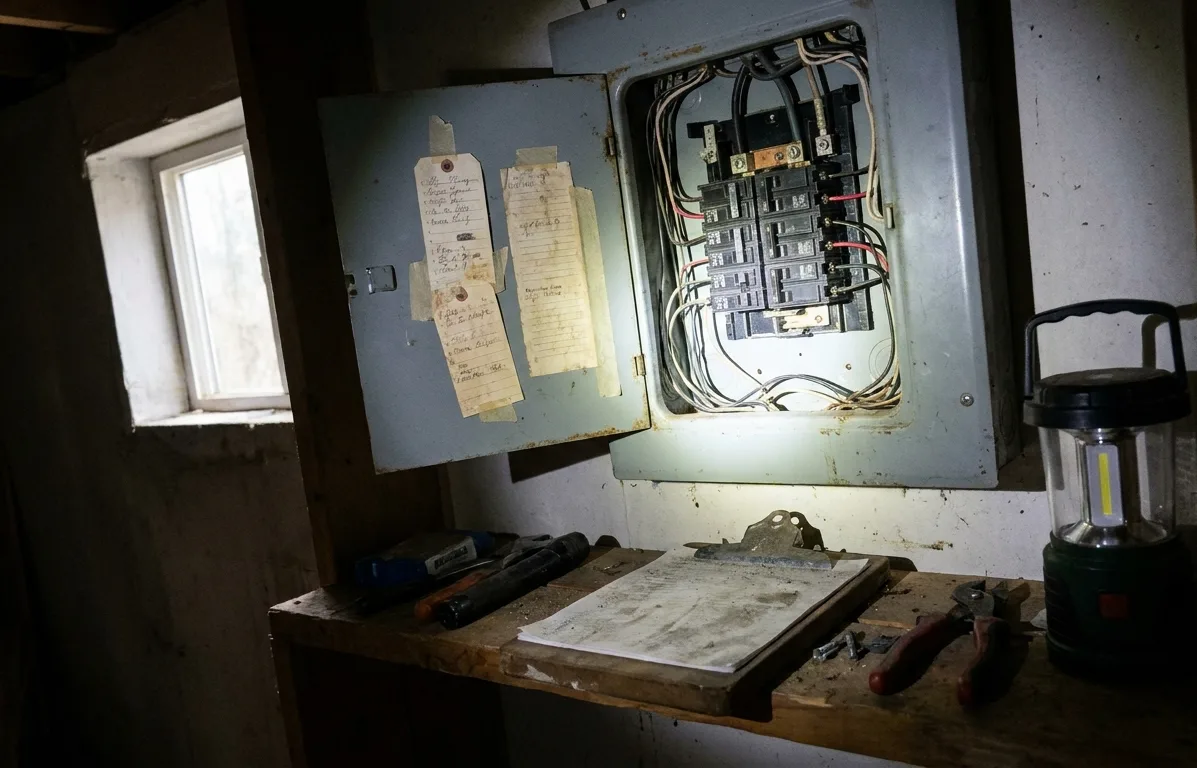
Technicians remove the dead-front cover and inspect bus bars for heat discoloration and arc tracking. They torque all main and branch lugs to manufacturer specifications while measuring temperature rise on each breaker under normal load with a clamp meter.
Service entrance conductors are examined for insulation damage where they enter the panel. Grounding electrode connections at rods or water pipes are verified for continuity below 25 ohms before any load calculations proceed.
All Tech Electric documents available fault current at the line side lugs to confirm the panel short-circuit rating remains adequate for the utility transformer size serving the home.
Branch Circuit and Device Evaluation
Each receptacle and switch is removed to inspect backstab connections and terminal screws for strand breakage. Technicians perform insulation resistance tests between conductors and ground at 500 volts to reveal hidden wiring degradation.
Ceiling boxes are opened to confirm fan-rated support and proper neutral connections for smart controls. Junction boxes in attics and crawl spaces are checked for missing covers and splices made with non-compliant connectors.
Dedicated circuits for refrigerators, microwaves, and EV chargers are traced to verify they remain isolated from general lighting loads that could create voltage fluctuations.
Grounding and Bonding Verification
The main bonding jumper location is confirmed and its size is checked against table 250.66. Technicians test for parallel ground paths created by metal water pipes or gas lines bonded at multiple points.
Isolated ground circuits for sensitive electronics are identified and their separate equipment grounding conductor integrity is measured end-to-end. Any subpanel fed from the main with a three-wire feeder is flagged for four-wire upgrade.
All Tech Electric records the location of every bonding bushing on concentric knockouts and verifies that metal raceways maintain electrical continuity without relying on locknuts alone.
Recommended Actions After Inspection
When overloaded panels are found, All Tech Electric can install a larger main breaker panel with added spaces and replace individual breakers with AFCI or GFCI types where required by current code. Conductor upgrades are performed using THHN/THWN-2 copper pulled in existing conduit where possible.
Homeowners should first shut off breakers for circuits showing repeated trips or warm devices, then note which appliances share those circuits. This list helps technicians prioritize load redistribution during the follow-up visit.
If aluminum branch wiring is present, pigtail connections with COPALUM crimp connectors or CO/ALR rated devices can be installed to reduce connection resistance without full rewiring.
Electrical Inspections questions
What exactly does an Electrical Inspections visit cover?
Technicians test panel torque values, measure voltage drop on loaded circuits, verify grounding electrode resistance, inspect device terminations, and document conductor sizes against calculated loads before recommending any corrective work.
Can a homeowner safely check anything before the visit?
Reset tripped breakers only after unplugging high-draw appliances on that circuit. Record which lights or outlets lose power and note any warm receptacle faces. Leave all panel covers in place and do not remove devices.
What parts are commonly replaced after an inspection?
Common replacements include individual breakers that exceed their temperature rating, damaged receptacles with melted slots, undersized equipment grounding conductors, and bonding jumpers that do not meet table 250.66 sizing.
How are inspection findings turned into repairs?
All Tech Electric provides a written report listing each deficiency with measured values. Homeowners select which items to address first; repairs use listed materials such as copper THHN conductors, torque-rated breakers, and UL-listed grounding clamps.
Schedule Electrical Inspections
Contact All Tech Electric to schedule Electrical Inspections that map every circuit, panel, and ground path.